Cowleys Pest Services Before & After Photos
Click on a photo to enlarge.
Mice Removal, Control, and Exclusion in Monmouth Junction, NJ


With mice and other nuisance wildlife infestations, it is critical to find the potential entry points and seal them; otherwise, the infestation will never be permanently resolved.
We carefully inspected the entire home, filling every hole we could locate with spray foam. The before/after pictures highlight that the gaps that were once open are now closed off. During my inspection, I also noticed a large gap underneath the front door that would allow mice to enter. I installed rubber weather stripping to seal that potential route.
Transforming & Encapsulating Another Dirt Floor Crawl Space in Monmouth Junction, NJ


After years and years of dealing with a humid & wet dirt-floor crawl space, this homeowner in Monmouth Junction, NJ decided it was time to change this and encapsulate his crawl space! After speaking with one of our sales reps and discussing various options, he decided on a plan and we went right to work!
First, we removed all the debris, leveled the ground for proper draining, and installed drainage matting. This material is a dimpled plastic mat that allows all excess moisture to work its way over to the new sump pump we installed. Next, we installed a vapor barrier, which is a heavy-duty, 20-mil 7-ply sandwich of high and low-density polyethylene with a polyester-cord reinforcement. It's extremely durable, treated with an antimicrobial to prevent mold, and is installed over the foundation walls and floor to create a continuous air and moisture barrier.
Afterward, we installed SilverGlo™ on the walls of the crawl space, which is a waterproof foam insulation that seals the walls from outside moisture and humidity. Lastly, we installed a Sani-Dry Sedona commercial-grade dehumidifier. The Sedona directs the extracted water pulled out of the air directly into the sump pump and will control the humidity levels in the crawl space.
Putting an End to the Bats Getting Inside the Home in Monmouth Junction, NJ
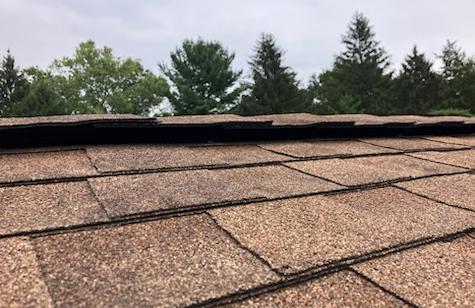
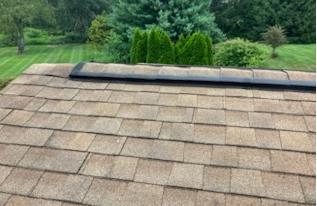
This homeowner in Monmouth Junction, NJ had been dealing with bats inside her attic for quite some time. Finally, she decided that enough was enough and called Little Rascals for help. As we inspected the property, we discovered that the bats were getting inside the attic by squeezing through the ridge vents.
The whole purpose of the ridge vents is to allow hot air to escape from the home. However, the material that ridge vents are made of can warp from age, heat, and sun exposure, leaving the area vulnerable for bats and other nuisance wildlife. Since the bats were entering the home through the ridge vents, we installed Ridge-Guard® to protect to them. Ridge-Guard® secures and reinforces the ridge vent shingles to prevent the bats from entering the home through that area. Now all the ridge vents are properly excluded from any future intrusions from bats as well as all nuisance wildlife!
Bald-Faced Hornet Nest Camouflaged in the Hedges in Monmouth Junction, NJ
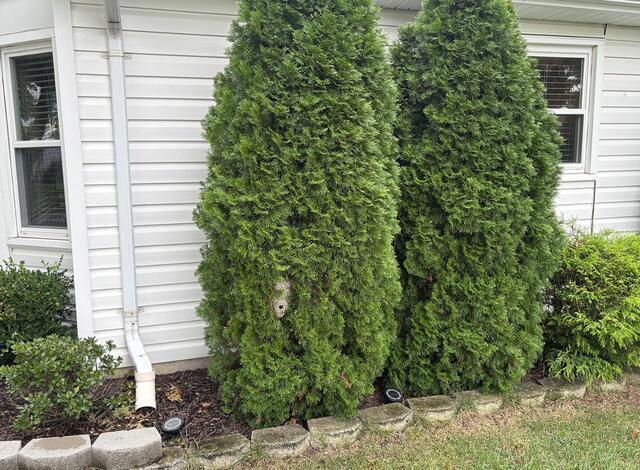
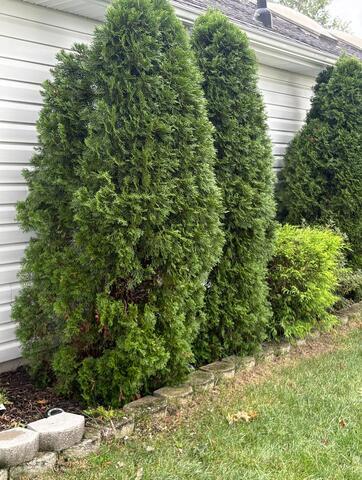
We were sent out on a service call to a new customer in Monmouth Junction, NJ to treat for hornets. When we arrived and began inspecting the home, we found an active bald-faced hornet nest expertly hidden in the hedges. No one noticed they were there until one of the children got stung by these angry hornets!
Bald-faced hornets are known to be extremely aggressive. They sense vibrations in the air and if anyone or anything comes remotely close to their nest, they will attack in full force! We treated the nest with a knockdown aerosol and a knockdown dusting application. These two treatments will quickly neutralize these aggressive stinging insects. A short while after applying our treatments, we removed and disposed of both the nest and the branch it was attached to.
Removing & Exterminating a Bald-Faced Hornets Nest in South Bound Brook, NJ


As this elderly homeowner in South Bound Brook, NJ was walking around the exterior of his home, he discovered a HUGE bald-faced hornets nest in one the bushes! He ran inside and called Cowleys for help!
We arrived, equipped our protective bee suit, and within minutes located the bald-faced hornets nest (it was hard to miss)! When a hornets nest gets that big, it means there are hundreds of short-tempered insects inside waiting to sting anything that comes close to their nest! For treatment, we injected a knockdown aerosol application directly into the opening of the nest. A few moments later, we treated the nest with a knockdown liquid product. Both treatments rapidly exterminate the bald-faced hornets. Once they were eliminated we removed the nest and the branch it was attached to and disposed of them properly.