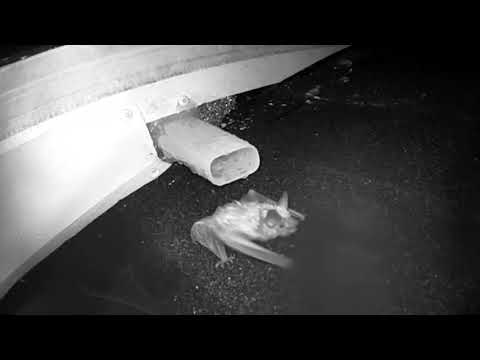
Is Rabies a Disease of the Past?
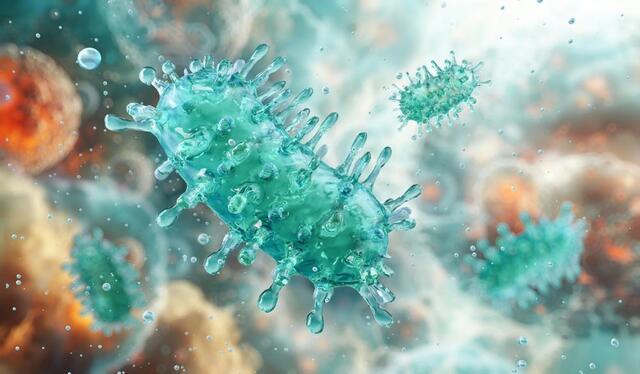
Rabies is one of the oldest known infectious diseases. In ancient Mesopotamian writing, dating back more than 4,00 years, there are descriptions of the dangers of rabid dogs. For thousands of years rabies wreaked havoc and there was no prevention or cure. In the 1880s, scientists made major advances in studying rabies. French scientist Louis Pasteur and his colleague Émile Roux developed the first successful rabies vaccine. Prior to this, rabies was an incurable disease; with these advances there was a chance to survive rabies. In modern times the widespread vaccination of pets and improved medical treatments after exposure have greatly reduced rabies deaths. With these vast improvements, does it mean that we no longer need to worry about rabies? The short answer is we still need to worry; rabies is still a serious disease and animals in our area are infected.
Rabies is a viral disease that affects the brain and nervous system of mammals, including humans. The most common way rabies spreads is through the bite of an infected animal, such as a dog, bat, raccoon, or fox. Early symptoms include fever, headache, and weakness. As the disease progresses, rabies can cause confusion, paralysis, difficulty swallowing, aggressive behavior and finally death. Once symptoms appear, rabies is almost always fatal. However, rabies can be prevented with prompt wound cleaning and a series of vaccinations after exposure to the virus.
The reason that knowledge of rabies is so pertinent now is according to the Somerset County Department of Health, there was a confirmed rabid raccoon in the middle of June. Somerset County Health Officer Himanshi Bhatt stated “We encourage all residents to vaccinate their pets and avoid contact with wild or stray animals, especially those that appear sick or are acting unusually.”
Having pets up to date on their rabies vaccines is an important step in keeping your family safe, so is staying away from wild animals. While wild animals may appear “cute” it is not safe to have them near your home. If wild animals are using your home as shelter, it is important to move quickly to have them removed.
Prevention is very important when it comes to deterring wildlife. Make sure that you don’t have tree limbs that hang close to your roof as this allows easy access to your home for many different types of wildlife. Another important tip is to identify a good wildlife removal specialist in your area before you have a problem. If there is a raccoon in your attic you don’t want to have to search around for a good removal specialist, you want to have a phone number that you can call any time of the day or night and get a quick response. Look for a wildlife specialist that has experience with animal infestations, has quick response time, is efficient, and uses humane animal control. In New Jersey, one company meets all these requirements: the company is called Little Rascals Wildlife Removal. Little Rascals Wildlife Removal is a part of Cowley’s Pest Services, a family-owned company known for their superior results, modern techniques, and outstanding customer service.
Related Content: