Why a Pest Control Company Should Employ Technicians with Multiple Accredited Certifications
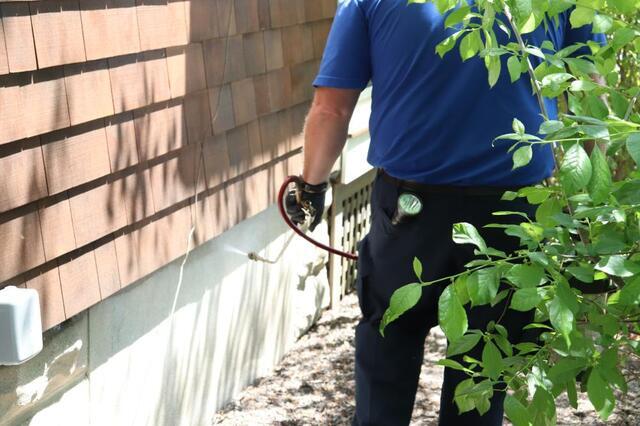
In the pest control industry, trust is everything. Homeowners and commercial property managers aren’t just hiring someone to spray chemicals — they’re trusting professionals to protect their health, property, employees, customers, and reputations. One of the strongest indicators of a high-quality pest control company is the level of accreditation and certification held by its technicians. Companies whose teams maintain multiple recognized certifications demonstrate expertise, compliance, and commitment to excellence.
Here’s why that matters.
1. Demonstrates Advanced Technical Expertise
Pest control is not one-size-fits-all. Treating termites requires different knowledge than managing bed bugs, wildlife, rodents, or structural fumigation. Accredited certifications — such as those issued by the New Jersey Department of Environmental Protection (NJDEP) — require technicians to undergo formal education, testing, and ongoing training.
When technicians hold multiple certifications (for example, general pest control, termite control, fumigation, and public health pest management), they can:
-
Accurately identify pest species
-
Understand pest biology and behavior
-
Select the safest and most effective treatment methods
-
Avoid over-application or misuse of pesticides
This depth of knowledge reduces risk and improves results.
2. Ensures Legal Compliance and Regulatory Protection
Pesticides are regulated substances. In states like New Jersey, professionals must be properly licensed under guidelines enforced by the New Jersey Department of Environmental Protection. Failure to comply can lead to fines, lawsuits, and reputational damage.
Multiple accredited certifications ensure:
-
Proper handling, storage, and disposal of chemicals
-
Accurate documentation and reporting
-
Adherence to state and federal safety laws
-
Protection from liability
For commercial clients especially — healthcare facilities, food processing plants, schools — regulatory compliance is non-negotiable.
3. Enhances Safety for Families, Employees, and Pets
Modern pest control is about precision, not volume. Certified technicians are trained in Integrated Pest Management (IPM), which focuses on:
-
Inspection and prevention
-
Targeted treatments
-
Environmental responsibility
-
Minimizing chemical exposure
When technicians pursue advanced accreditations, they gain deeper understanding of toxicology, environmental impact, and safety protocols. That translates into safer homes, safer workplaces, and safer communities.
4. Expands Service Capabilities
A company with broadly certified technicians can offer a wider range of services without outsourcing or cutting corners.
For example:
-
Termite inspections and wood-destroying insect reports
-
Wildlife control
-
Bed bug heat remediation
-
Mosquito management
-
Commercial sanitation pest programs
This allows the company to serve both residential and commercial markets with authority and confidence. It also builds stronger customer relationships because clients can rely on one trusted provider.
5. Builds Trust and Market Credibility
Accredited certifications signal professionalism. Affiliations with organizations like the National Pest Management Association (NPMA) demonstrate commitment to industry best practices and continuing education.
When a company highlights that its technicians are certified across multiple categories, customers perceive:
-
Higher competency
-
Greater reliability
-
Stronger accountability
-
Long-term stability
In competitive markets, that credibility becomes a powerful differentiator.
6. Promotes Continuing Education and Industry Leadership
Pest pressures evolve. Invasive species spread. Regulations change. Treatment technologies improve.
Technicians who maintain multiple certifications are required to complete continuing education credits. That means they stay informed on:
-
Emerging pest threats
-
New treatment methodologies
-
Environmental standards
-
Advances in pest monitoring technology
A company that invests in education positions itself not just as a service provider, but as an industry leader.
7. Reduces Liability and Increases Insurance Confidence
Improper pesticide application can result in property damage, health claims, or environmental contamination. Insurance carriers often view well-certified teams as lower-risk operators.
Multiple certifications show:
-
Documented training
-
Tested competency
-
Accountability standards
-
Professional oversight
That can help reduce claims, protect the company legally, and even improve insurability.
The Bottom Line
A pest control company is only as strong as its technicians. Multiple accredited certifications are more than framed documents on a wall — they represent knowledge, compliance, safety, and professionalism.
For customers, it means peace of mind.
For businesses, it means risk mitigation.
For the company, it means sustainable growth and industry respect.
In an industry built on trust and results, certified expertise isn’t optional — it’s essential.